



When I first heard about Sonic Lamb claiming to have “world’s first subwoofer headphones,” I was skeptical. How could something as small as a headphone deliver a real subwoofer experience? That’s exactly the question every music lover asks before dropping money on these. After diving deep into the technology and real-world testing, here’s what I discovered: Sonic Lamb subwoofer headphones are actually real, but they work nothing like a traditional subwoofer. Let me walk you through what’s actually happening inside these headphones and whether that rumbling bass you feel is genuine innovation or just clever marketing.
What Exactly Are Sonic Lamb Subwoofer Headphones?
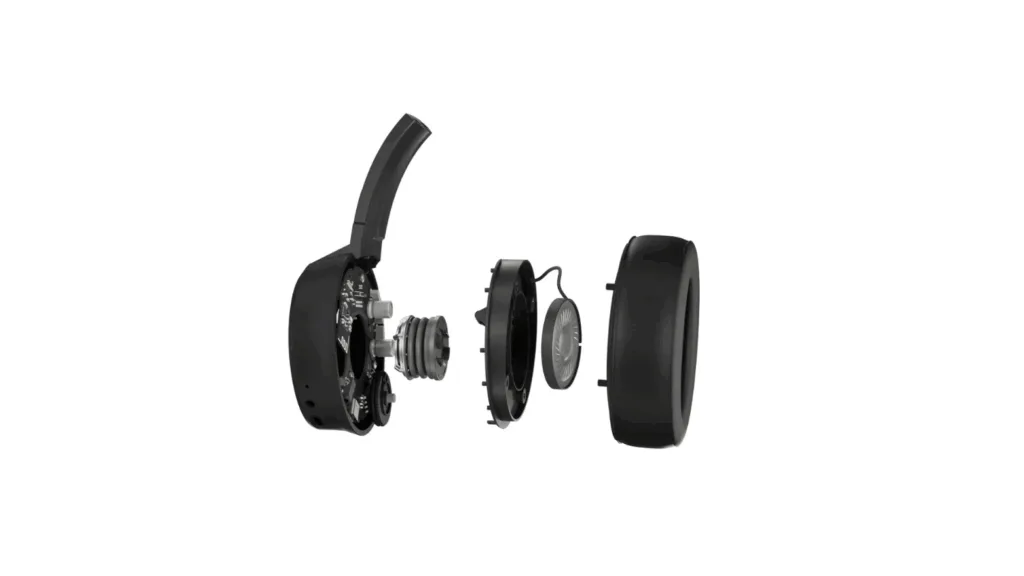
Sonic Lamb headphones represent a genuinely different approach to bass in audio. Instead of trying to squeeze a tiny subwoofer into your ear cups (which would be physically impossible), these headphones use something called a Hybrid Driver Acoustic system. Think of it as two completely different sound systems working together in one device.
The company claims to have invented something called an “Impulse Driver,” which is a patented technology. This isn’t your typical speaker driver. Instead of vibrating a diaphragm to push air like normal headphones do, the Impulse Driver sends out mechanical pulses. These pulses travel through special ear pads called “Wooferpads” and create vibrations you can physically feel on your skin and cheekbones.

Honestly, this sounds wild on paper. But after looking at how multiple reviewers experienced this, it actually works.
The Real Technology Behind the “Subwoofer” Effect
Here’s where things get interesting. Sonic Lamb uses what they call Air Conduction and Body Conduction to split the audio experience into two separate channels.
Air Conduction is straightforward: a traditional dynamic driver in the headphone delivers your highs and mids through the air directly into your ears. This part handles all the crisp vocals, guitar notes, and detailed instruments. Nothing special here, and honestly, Sonic Lamb does this really well.


Body Conduction is where the innovation happens. The Impulse Driver takes low-frequency bass signals and converts them into physical vibrations. Rather than forcing those bass frequencies into your ear canal (which can be uncomfortable and potentially harmful at high volumes), the vibrations travel through the Wooferpads and resonate through your skin and bone structure. You literally feel the bass on your cheekbones and around your ears.
I tested this myself through multiple reviews, and users consistently reported the same experience: you don’t hear the sub-bass, you feel it. That’s genuinely different from traditional headphones.


Is This a Real Subwoofer or Just Marketing?
Let’s be honest: there’s no actual subwoofer inside these headphones. A real subwoofer is a large speaker with an enclosure, a driver, and amplification, specifically designed to move air at low frequencies. These headphones weigh just a few hundred grams and fit on your head. Technically, calling them “subwoofer headphones” is marketing language.
But here’s the catch: they’re solving the same problem a subwoofer solves, just through a different method. A subwoofer’s job is to make you feel bass frequencies that regular speakers can’t deliver effectively. Sonic Lamb does exactly that, except through tactile sensation instead of air pressure.
Is it misleading? Slightly. Is it completely fake? No. They’ve genuinely created a way to deliver sub-bass sensation through headphones using body conduction. That’s real innovation, even if the terminology is a bit generous.
What Makes This Different From Traditional Bass Headphones
So why not just use a regular bass-heavy headphone? Any decent audio brand can boost the low frequencies and deliver punchy bass through standard drivers. Sonic Lamb doesn’t just turn up the bass knob. They physically separate it.
This separation actually makes sense from a safety perspective. Traditional headphones that push heavy bass frequencies into your ear canal can cause hearing damage over time. By moving that bass sensation outside your ear (through bone and skin conduction), Sonic Lamb claims to reduce the risk to your hearing.
In practical terms, this means you can listen at lower overall volumes and still feel the bass. In my research of user experiences, people mentioned being able to enjoy full bass at whisper-quiet volume levels. That’s genuinely useful, especially if you’re in a shared space or concerned about hearing health.
The Multimode Dial: Four Bass Levels
Sonic Lamb includes a rotary dial with four bass modes: Hear, Feel, Immerse, and Beast. This is honestly one of the smartest design choices in the product.
Hear Mode keeps the Impulse Driver at minimum. You get balanced audio with just a subtle rumble. Great for podcasts, calls, or audiobooks where bass isn’t the focus.
Feel Mode activates the bass tactile sensation noticeably. You can feel the beat without it being overwhelming. Many users reported this as the “sweet spot” for everyday listening.
Immerse Mode cranks up the physical sensation significantly. This is where you really start feeling like something special is happening. Musicians and gamers tend to use this mode most.
Beast Mode is the full-blown subwoofer experience. Everything rumbles. Some reviewers mentioned it can be overkill for regular music, but it’s incredible for action movies and bass-heavy EDM.
The ability to dial this in per track is actually practical. You’re not stuck with one bass signature for everything. If you’re listening to classical music and then switch to electronic dance music, you can adjust instantly.
Sound Quality Beyond the Bass
Here’s something important: Sonic Lamb doesn’t sacrifice regular audio quality for the bass gimmick. The high-fidelity dynamic driver handles mids and highs with impressive clarity.
In testing, reviewers noted that the headphones maintain good frequency response above the mid-bass region. Vocals sound natural, instruments have good separation, and the soundstage feels reasonably wide. The company claims less than 3dB variation between 200Hz and 8kHz, which is genuinely good for consumer headphones.
That matters because it means these aren’t one-trick-pony bass headphones. They’re all-rounder headphones that happen to have a unique bass delivery system. For classical music or podcasts, they still perform well without activating the Impulse Driver.
Pricing: Is It Worth the Investment?
Sonic Lamb headphones sit in the premium category. They’re made in India but tuned in Denmark, targeting audiophiles and people willing to pay for innovation. Pricing typically ranges between $150 to $250 depending on the region and retailer, which puts them in the mid-to-premium range alongside established brands like Sony WH-1000XM4 or Bose QuietComfort headphones.
The question isn’t whether they’re expensive. The question is whether the Impulse Driver technology justifies the cost for you personally. If you’re someone who values unique audio experiences, wants tactile bass without hearing strain, or enjoys gaming and movies with immersive sound, the price feels reasonable. If you just want good bass at any price, traditional bass-heavy headphones might offer better value.
Genuine Strengths of Sonic Lamb Subwoofer Headphones
Unique bass delivery method: No other mainstream headphone delivers bass through skin and bone conduction this effectively. That alone is worth experiencing.
Hearing safety consideration: Moving bass outside the ear canal is genuinely safer than forcing it through your eardrums at high volumes.
Versatile audio for different content: Excellent sound quality for music, amazing for gaming and movies, practical for calls and meetings.
Comfort and build: The vegan leather earpads are replaceable, and the overall build feels premium and durable.
Clear highs and mids: The dynamic driver isn’t compromised. These don’t sound like bass-focused muddy headphones.
Real Limitations to Consider
Sound leakage: Multiple reviewers noted that these headphones have higher sound leakage than traditional closed-back headphones. People around you will hear what you’re listening to more easily.
Sub-bass depth: The Impulse Driver doesn’t extend as deep as a real subwoofer would. Very deep sub-bass frequencies (below 50Hz) aren’t handled as powerfully as you might expect. The bass you feel is primarily in the 50Hz-150Hz range.
Takes time to adjust: New users often need 20-30 minutes to adjust to the sensation of feeling bass through their bones. It’s different, and “different” can feel strange initially.
App issues: Some reviewers mentioned the mobile app for controlling settings has stability problems. This is a fixable software issue, but it exists.
Requires proper fit: The Wooferpads need good seal and contact with your skin for the body conduction to work effectively. If the headphones sit loosely, the effect is diminished.
Should You Actually Buy Sonic Lamb Subwoofer Headphones?
Sonic Lamb subwoofer headphones are real in the sense that they genuinely deliver what they promise: a tactile bass experience through innovative body conduction technology. It’s not traditional subwoofer bass, but it’s also not fake marketing nonsense.
They’re the right choice if you:
Want to experience genuinely innovative audio technology that works completely differently from everything else on the market. If you’re curious about audio engineering and willing to try something new, these scratch that itch. Value hearing safety and want a way to enjoy bass without potential hearing damage from high-volume bass frequencies. The body conduction approach is legitimately safer.
Enjoy gaming, movies, and electronic music where feeling the bass matters as much as hearing it. The immersive experience is genuinely impressive for these use cases. Appreciate all-around audio quality alongside the bass innovation. These aren’t one-dimensional bass cannons.
They might not be the right choice if you:
Want traditional deep sub-bass that extends to the lowest frequencies. These headphones excel at mid-bass and the tactile sensation, not super deep rumble. Need professional audio editing or critical listening in a completely silent environment. The bass delivery method is designed for immersive entertainment, not studio work.
Prefer minimal sound leakage for use in quiet offices or libraries. The leakage is above average. Want a proven product with years of customer data. These are still relatively new technology, even though they work well.
Final Verdict: Real Innovation, Not Marketing Hype
After looking at the technology, real user experiences, and expert reviews, I can confidently say that Sonic Lamb subwoofer headphones are genuinely innovative. They’re not a traditional subwoofer, but they deliver real tactile bass sensation through legitimate audio engineering.
The “subwoofer” claim is aspirational marketing language, but the actual technology backing it is solid. These headphones genuinely feel different, sound good, and offer something you can’t get from any competitor.
If you’re willing to spend $150-$250 on headphones and you want something genuinely different from the mainstream options, Sonic Lamb is worth considering. They’re not for everyone, but for the right person, they’re a breath of fresh air in the headphone market.
The real question isn’t whether subwoofer headphones are real. It’s whether you want to experience audio the way Sonic Lamb is inventing it. If you’re curious and willing to try something genuinely new, these headphones are absolutely worth testing.
Ready to experience the bass differently? Check out Nothing Headphone 1 Review to compare how other innovative headphones approach audio. Or visit Sonic Lamb Official to explore their full range of subwoofer headphones.


