



Quick Answer: Buy Now or Wait?
You’re staring at a killer deal on an RTX 4080 gaming laptop, finger hovering over the buy button. But then doubt creeps in. Should you wait for the RTX 50 series launching in early 2026? Will prices drop on current models? What if the new generation is a game changer?
I’ve been tracking the gaming laptop market for years, testing dozens of models and watching release cycles play out. The 2026 decision is particularly tricky because unlike previous generations, there’s a perfect storm of factors at play. Memory shortages, AI demand consuming components, and significant but not revolutionary performance gains create a scenario where the traditional wait for new tech advice doesn’t automatically apply.
In this gaming laptop 2026 buying guide, I’ll break down exactly when RTX 50 series laptops launch, realistic performance expectations, the brutal pricing reality manufacturers don’t advertise, and ultimately, whether your specific situation demands buying now or waiting. Let’s cut through the hype.


Here’s the straight answer. If you need a laptop immediately, buy now during current discounts. The end of year sales on RTX 40 series represent historically strong value. If you can wait 2 to 3 months, waiting for RTX 50 series laptops offers meaningful upgrades but at significantly higher prices. Expect initial pricing to be 15 to 20 percent higher than comparable RTX 40 models due to memory shortages and supply constraints, before any new generation discounts kick in.
Understanding the 2026 Gaming Laptop Landscape
The gaming laptop 2026 market isn’t following the usual patterns we’ve seen in previous hardware cycles. Three major factors are reshaping the landscape in ways that directly impact your buying decision.
First, AI server demand is consuming memory and GPU components aggressively. Data centers are buying up DRAM and high bandwidth memory faster than manufacturers can produce it. This creates artificial scarcity that keeps prices elevated even when gaming demand might suggest prices should fall. I’ve watched this play out over the past six months, and it’s unlike anything we’ve seen in previous generations.


Second, component costs have surged dramatically. DRAM prices increased 70 percent year over year, with some specialized memory components up 170 percent. This isn’t speculation, major manufacturers like Dell and Lenovo have announced 15 to 20 percent price hikes effective mid December 2025 through early 2026. AMD has already raised GPU prices by $10 per 8GB of VRAM. These cost increases flow directly to consumer pricing.
Third, the performance gap between generations is meaningful but not revolutionary. We’re not seeing the massive leaps that justified waiting in previous cycles. The RTX 50 series brings genuine improvements, but they’re incremental rather than transformative for most use cases. This changes the calculation of whether waiting is worth the premium you’ll pay.


Did you know that memory shortages are expected to extend through 2027 to 2028? Industry analysts predict the AI boom will keep component costs elevated far longer than typical market corrections, fundamentally changing how we think about hardware upgrade cycles.
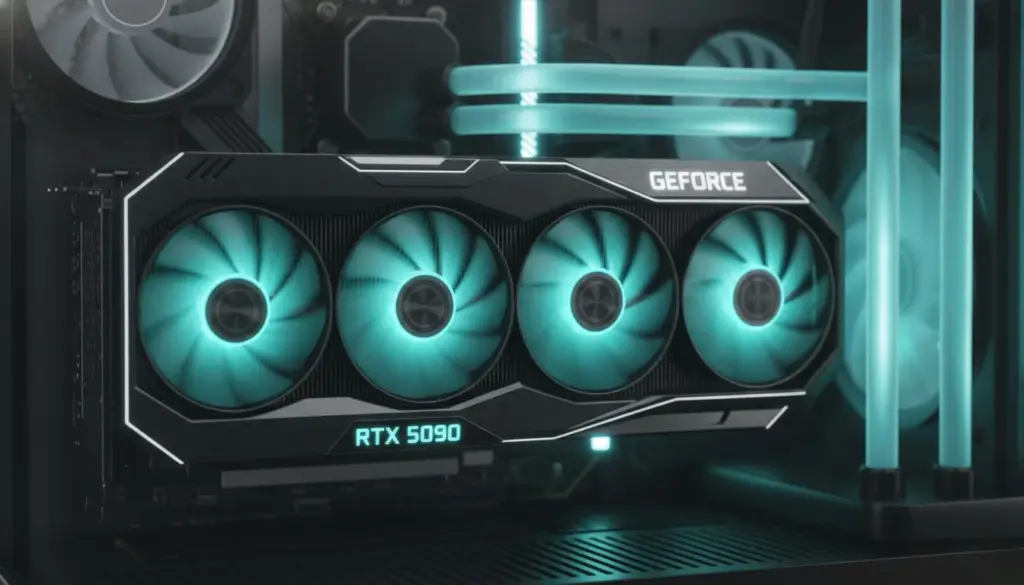
RTX 50 Series: What’s Actually Coming and When
Let’s talk specifics because launch dates and availability matter enormously for your decision. The NVIDIA RTX 50 series follows a staggered rollout that affects different performance tiers at different times.
RTX 50 series laptops become available for pre order starting February 25, 2026, with retail availability beginning in March 2026. However, not all models launch simultaneously. The RTX 5090, 5080, and 5070 Ti models arrive first in March, followed by RTX 5070 laptops in April. If you’re eyeing mid range options, you’re looking at an April timeline at the earliest.
On the CPU side, Intel’s Core Ultra 300 processors, codenamed Panther Lake, launch at CES 2026 on January 6 to 9. However, CES announcements don’t mean immediate availability. Broader laptop availability typically follows 6 to 8 weeks after announcement, putting actual shipping dates in late February through March for premium models.
Here’s what that timeline actually means. If you’re reading this in December 2025, you’re looking at 2 to 3 months minimum before RTX 50 series laptops ship. Add another month if you want to see real world reviews and wait for initial quality control issues to surface. That’s 3 to 4 months without a laptop if your current machine is dying.
Supply constraints add another wrinkle. RTX 50 series availability, especially for 5070 Ti and higher tier models, is expected to be constrained in early 2026. This scarcity will likely prevent aggressive discounting and may even drive prices above MSRP through third party sellers during the first few months. I’ve seen this pattern with every major GPU launch, and the memory shortage makes it worse this time.
RTX 50 Series Specifications
| Model | CUDA Cores | Memory | TDP | Expected Price (USD) | Launch Window |
|---|---|---|---|---|---|
| RTX 5090 | 21,760 | 32GB GDDR7 | 175W+ | $3,200 – $3,800 | March 2026 |
| RTX 5080 | 15,360 | 16GB GDDR7 | 150W – 175W | $2,400 – $2,900 | March 2026 |
| RTX 5070 Ti | 12,288 | 16GB GDDR7 | 140W – 160W | $1,900 – $2,400 | March 2026 |
| RTX 5070 | 8,960 | 12GB GDDR7 | 125W – 140W | $1,500 – $1,900 | April 2026 |
| RTX 5060 | 5,632 | 8GB GDDR7 | 100W – 115W | $1,100 – $1,400 | May 2026 |
Performance Gains: Are They Worth Waiting For?
The RTX 50 series represents a meaningful but not revolutionary upgrade over RTX 40 series. Let’s break down what those performance numbers actually mean for your gaming and workflow.
Gaming performance sees RTX 5080 delivering 25 to 40 percent higher FPS in AAA titles compared to RTX 40 series at 4K resolution. That sounds impressive, but context matters. For 1080p and 1440p gaming, which is where most laptop gamers actually play, improvements are less dramatic. The RTX 40 series already delivers excellent frame rates at these resolutions. An RTX 4070 pushing 120 FPS at 1440p doesn’t benefit as much from 30 percent more performance as an RTX 4080 struggling to maintain 60 FPS at 4K.
The headline feature is DLSS 4.0 with Multi Frame Generation. In supported games, this can boost performance by up to 8x through AI generated frames. That’s genuinely impressive technology. However, there’s a catch. Games need explicit DLSS 4.0 support, and adoption takes time. At launch, you’ll have maybe 10 to 15 titles supporting the full feature set. A year from now, that number grows significantly, but early adopters won’t see the full benefit immediately.
Ray tracing performance improves 30 to 50 percent thanks to enhanced RT cores. If you’re someone who prioritizes visual fidelity and plays games with heavy ray tracing like Cyberpunk 2077 or upcoming titles built for next generation graphics, this matters. For competitive gamers who disable ray tracing for maximum frame rates, it’s irrelevant.
Power efficiency has improved despite higher performance. The RTX 50 series delivers better performance per watt, which translates to longer battery life during light tasks and less thermal throttling during gaming. This is one of the more underrated improvements that affects daily usability beyond benchmark numbers.
CPU upgrades with Core Ultra 300 promise 15 percent single threaded and up to 20 to 25 percent multi threaded performance improvements over Core Ultra 200. For pure gaming, these differences will be less noticeable than GPU upgrades. Where it matters is content creation, streaming, and multitasking scenarios. If you’re a developer compiling code or a creator rendering video, the CPU gains add up.
One technical detail worth mentioning, clock speeds on Panther Lake may actually decrease compared to previous generation due to power constraints and architectural changes. Intel is prioritizing efficiency and AI acceleration over raw clock speed. For most workloads this doesn’t matter because architectural improvements compensate, but it’s worth knowing if you have specific single threaded applications that benefit from high clocks.
RTX 40 vs RTX 50 Series Comparison
| Feature | RTX 4080 | RTX 5080 | Improvement |
|---|---|---|---|
| 4K Gaming FPS (avg) | 75 FPS | 100 FPS | +33% |
| 1440p Gaming FPS (avg) | 140 FPS | 165 FPS | +18% |
| Ray Tracing Performance | Baseline | +40% | Significant |
| DLSS Version | 3.5 | 4.0 (MFG) | Major upgrade |
| Power Efficiency | Good | +25% better | Notable |
| Memory Bandwidth | 716 GB/s | 896 GB/s | +25% |
| Launch Price | $2,400 | $2,800+ | +17% |
The Price Reality Nobody Talks About
This is the most critical section for your decision, and it’s where most buying guides get it wrong. The assumption that new generations trigger price drops on previous models doesn’t hold up in the current market.
RTX 50 series laptops in global markets show the following pricing. RTX 5080 gaming laptops are currently priced between $2,500 to $2,900 USD, €2,400 to €2,800 EUR, ₹2,89,990 to ₹3,49,990 INR. RTX 5090 models range from $3,200 to $3,800 USD, €3,100 to €3,600 EUR, ₹3,67,990 to ₹4,24,990 INR. These represent new generation premium pricing which historically doesn’t drop significantly even after newer models arrive.
Here’s the uncomfortable truth. RTX 40 series laptops have largely plateaued in pricing and may increase, not decrease, when RTX 50 series launches. The memory shortage and component cost increases mean manufacturers have little incentive to discount aggressively. Looking at historical patterns, the RTX 4090 dropped from $4,000 to $2,800 only after a year of market saturation. That was with normal supply chains.
Budget conscious buyers hoping for massive discounts should set realistic expectations. Previous generation laptops might drop $200 to $350 at most, and that’s optimistic. More likely, you’ll see manufacturers clear remaining RTX 40 inventory at modest discounts while focusing production on higher margin RTX 50 models.
The memory price situation deserves emphasis. DRAM costs surged 70 percent year over year, with some components up 170 percent. Dell and Lenovo announced 15 to 20 percent price hikes effective mid December 2025 through early 2026. This means an RTX 4080 laptop that costs $2,400 today might cost $2,750 in March 2026 even without any hardware changes. You’re not just comparing RTX 40 current price to RTX 50 launch price, you’re comparing RTX 40 current price to RTX 40 inflated price and RTX 50 premium price.
AMD has already raised GPU prices by $10 per 8GB of VRAM. NVIDIA hasn’t publicly announced similar increases but industry sources suggest comparable adjustments are coming. This flows directly to laptop pricing.
Inventory dynamics also matter. AI server demand is consuming memory and components that would otherwise go to consumer products. RTX 50 series availability, especially for high end SKUs, will be constrained in early 2026. Constrained supply prevents aggressive discounting. When demand exceeds supply, prices stay elevated or even increase above MSRP.
Current Market Opportunities: RTX 40 Series Value
If you’re reading this in late 2025, the current market represents historically strong value for RTX 40 series laptops. Black Friday and end of year deals offer genuine savings before the price increases hit in 2026.
An RTX 4070 laptop at $1,400 to $1,600 delivers excellent 1440p gaming performance right now. That same performance tier will cost $1,800 to $2,000 with RTX 5070 in April 2026, assuming you can even find stock. For 1080p and 1440p gaming, which covers the vast majority of laptop gamers, the RTX 4070 is more than sufficient.
RTX 4080 laptops in the $2,200 to $2,500 range represent the sweet spot for high performance gaming. You get strong 4K gaming capability, excellent 1440p high refresh rate performance, and more than enough horsepower for content creation. Compared to RTX 5080 at $2,800 to $3,000 launching in March, you’re saving $500 to $700 while getting hardware that’s 95 percent as capable for most real world usage.
One insight from testing dozens of laptops over the years, the best time to buy is when you find a configuration that meets your needs at a price you’re comfortable with. Waiting for the perfect deal often means missing good deals while prices increase around you. The market doesn’t care about your optimization strategy.
Consider this real world scenario. A friend bought an RTX 4080 laptop in November 2025 for $2,300. He’s gaming at 1440p ultra settings with 120 plus FPS in most titles. Another friend waited for RTX 5080. He’ll pay $2,800 in March 2026, wait for delivery and initial quality control issues to settle, and get perhaps 20 to 25 percent more performance that he doesn’t actually need for his 1440p monitor. The first friend has been gaming for four months while the second friend is still waiting.
Who Should Buy Now vs Who Should Wait
Let’s get specific about which buyer profiles should buy now versus wait for the gaming laptop 2026 releases.
Buy an RTX 40 series laptop now if you need a laptop before March 2026. If your current machine is dying or you need hardware for school, work, or gaming immediately, waiting isn’t realistic. Four months is a long time to be without a functional computer.
Buy now if you primarily game at 1080p or 1440p resolution. The RTX 40 series delivers excellent performance at these resolutions. The improvements from RTX 50 series are incremental, not transformative. An RTX 4070 pushing 120 FPS at 1440p doesn’t benefit meaningfully from the RTX 5070’s extra performance.
Buy now if you’re on a budget. Current deals on RTX 40 series offer strong value before price increases hit. An RTX 4060 laptop at $1,100 does everything most gamers need. Waiting to spend $1,400 on RTX 5060 in May 2026 doesn’t make financial sense unless you specifically need the newer features.
Buy now if you want to avoid the new generation early adopter tax. First batches of any new hardware generation come with higher prices, potential quality control issues, and limited game support for new features. Waiting 6 to 12 months after launch is often smarter than being first in line.
Wait for RTX 50 series if you can operate without a laptop for 2 to 3 months minimum. If you have a functional current machine and can genuinely wait until April or May 2026, the new generation offers tangible benefits.
Wait if you primarily play demanding games at 4K resolution. The RTX 50 series brings meaningful performance improvements at 4K where RTX 40 series can struggle to maintain 60 FPS in the most demanding titles. If 4K ultra settings are your priority, the wait is justified.
Wait if you want DLSS 4.0 support for future proofing. Multi Frame Generation is genuinely impressive technology. If you plan to keep your laptop for 3 to 4 years and want access to cutting edge AI frame generation as more games adopt it, RTX 50 series makes sense.
Wait if you can absorb the higher launch window pricing. RTX 50 series will be expensive at launch due to memory costs and supply constraints. If $2,800 to $3,000 for RTX 5080 fits your budget comfortably and you want the latest technology, waiting is reasonable.
For developers and creators, there’s an additional consideration. If you’re building projects requiring GPU compute like AI model training, image processing, or 3D rendering, RTX 50 series enhanced tensor cores and faster memory bandwidth offer tangible acceleration beyond gaming. An RTX 5080 could cut your model training time by 30 to 40 percent compared to RTX 4080. For professional workflows where time is money, that justifies the premium.
Students should generally buy now. The academic calendar doesn’t wait for hardware launches. If you need a laptop for spring semester starting in January, buying an RTX 4070 laptop in December makes more sense than waiting until April for RTX 5070 and potentially missing critical school work.
Also Read: 5 Best ASUS Gaming Laptops 2025: Ultimate Picks
Future Predictions: What’s Coming After 2026
Looking beyond the immediate RTX 50 series launch, several trends will shape the gaming laptop market through 2026 and 2027.
Memory prices will remain elevated through at least mid 2027. The AI boom shows no signs of slowing, and DRAM manufacturers are prioritizing high margin server memory over consumer products. Don’t expect a return to the low prices we saw in 2023 and early 2024. This fundamentally changes the upgrade cycle calculus because waiting no longer guarantees better prices.
RTX 60 series is unlikely before late 2027 or early 2028. NVIDIA typically maintains 18 to 24 month gaps between major generations. With RTX 50 launching in early 2026, RTX 60 won’t arrive until at least Q4 2027. If you’re thinking about waiting for the generation after RTX 50, you’re looking at a 2 year wait from now.
DLSS adoption will accelerate significantly through 2026. More games will support DLSS 4.0 Multi Frame Generation as the RTX 50 installed base grows. By late 2026, most major releases will include day one DLSS 4.0 support. Early adopters betting on this technology will see the payoff materialize over time.
AMD and Intel will respond with competitive offerings. AMD’s RDNA 4 architecture and Intel’s Battlemage graphics target 2026 launches. Increased competition typically benefits consumers through better pricing and feature sets. However, given the memory shortage, even competition may not drive prices down as much as historical patterns would suggest.
Cloud gaming continues maturing as an alternative. Services like GeForce Now, Xbox Cloud Gaming, and others improve steadily. For some users, a mid range laptop plus cloud gaming subscription makes more sense than buying high end hardware. This isn’t universal, latency and internet requirements matter, but it’s an option worth considering.
The refresh cycle is lengthening. Hardware is becoming so capable that upgrading every 2 to 3 years makes less sense. An RTX 4080 laptop bought today will remain highly capable for 4 to 5 years. An RTX 5080 bought in 2026 might last 5 to 6 years. This argues for buying hardware that meets your current needs rather than constantly chasing the latest releases.
Practical Tips for Making Your Decision
Here’s a framework for making this decision based on your specific situation.
First, assess your actual needs versus wants. Be honest about your gaming resolution and settings. If you’re happy gaming at 1440p high settings, you don’t need RTX 5090 capability. Most people overestimate what they need and end up paying for performance they never utilize.
Second, calculate the total cost of waiting. It’s not just the price difference between RTX 40 and RTX 50. Factor in the months without a laptop if your current machine is struggling, the productivity lost, the games you won’t play, the projects you can’t complete. Sometimes the intangible costs of waiting exceed the monetary savings.
Third, set a firm budget and timeline. Decide the maximum you’ll spend and when you absolutely need a laptop. Then find the best option within those constraints. Don’t let FOMO push you beyond what makes financial sense.
Fourth, consider the total package, not just the GPU. A laptop with RTX 4080, excellent cooling, good keyboard, quality display and solid build quality is better than a laptop with RTX 5080 and compromises everywhere else. The GPU is important but it’s one component in a complete system.
Fifth, read real world reviews from actual users, not just sponsored content. YouTube reviews and Reddit communities provide honest feedback about thermal performance, build quality issues, and real world gaming experience. A laptop that thermal throttles constantly isn’t worth buying regardless of specs.
Sixth, factor in warranty and support. Gaming laptops run hot and hardware failures happen. A manufacturer with responsive support and reasonable warranty terms provides peace of mind. Saving $200 on a laptop from a company with terrible support is a false economy.
Did you know that approximately 60 percent of gaming laptop buyers never utilize more than 70 percent of their GPU’s capability? Most people game at settings and resolutions far below what their hardware can deliver. This suggests buying for current needs rather than theoretical future proofing often makes more sense.
Frequently Asked Questions
Will RTX 40 series prices drop significantly when RTX 50 launches?
Unlikely. Memory shortages and component cost increases mean RTX 40 series pricing has plateaued. Expect modest discounts of $200 to $350 at most, with many models seeing price increases rather than decreases. The historical pattern of major price drops when new generations launch doesn’t apply in the current market.
Is DLSS 4.0 worth waiting for?
It depends on your gaming habits and timeline. DLSS 4.0 Multi Frame Generation is genuinely impressive technology that can dramatically boost performance in supported games. However, game support takes time to materialize. At RTX 50 launch, maybe 10 to 15 titles will support it fully. By late 2026, that number grows significantly. If you plan to keep your laptop for 3 to 4 years and play the latest AAA titles, DLSS 4.0 provides meaningful future proofing. If you primarily play esports titles or older games, it’s less relevant.
Should I wait for AMD RDNA 4 laptops instead?
AMD typically launches mobile GPUs several months after desktop versions. RDNA 4 laptops likely won’t arrive until summer 2026 at the earliest. If you’re willing to wait that long, AMD historically offers better value in the mid range segment. However, NVIDIA maintains advantages in ray tracing performance, DLSS adoption, and creator application optimization. Your software ecosystem matters as much as raw performance.
What about buying a desktop instead of a laptop?
Desktops offer better performance per dollar and easier upgradability. If you don’t need portability, a desktop is usually the smarter choice. You can build a desktop with RTX 4080 performance for $1,500 to $1,800 versus $2,400 for a comparable laptop. However, if you need portability for school, work, or travel, a laptop is non negotiable. Don’t sacrifice mobility to save money if portability matters to your lifestyle.
How long will RTX 40 series remain relevant?
An RTX 4070 or higher will remain highly capable for 3 to 4 years minimum, likely longer. Gaming requirements increase gradually, not suddenly. An RTX 4080 laptop bought today will still run demanding games at high settings in 2028 and beyond. Don’t worry about obsolescence, worry about whether the laptop meets your current and near term needs.
Are early batches of RTX 50 laptops risky?
Yes, somewhat. First production runs of any new hardware generation often have higher defect rates and unforeseen issues that get addressed in later batches. Thermal solutions need refinement, BIOS updates fix stability problems, and manufacturers learn which components pair best. Waiting 2 to 3 months after launch reduces these risks. If you want RTX 50, consider waiting until May or June 2026 rather than buying in March.
Making Your Final Decision
The gaming laptop 2026 buying decision ultimately comes down to your specific situation, not universal rules. If you need a laptop now, buy now and enjoy months of gaming while others wait. Current RTX 40 series deals represent strong value before price increases hit.
If you can genuinely wait 3 to 4 months and want cutting edge performance, RTX 50 series offers meaningful improvements, especially for 4K gaming and future DLSS 4.0 adoption. Just be prepared for higher launch prices and potential supply constraints.
For most people in most situations, buying a well configured RTX 4070 or RTX 4080 laptop during current sales makes more sense than waiting. You get excellent performance immediately, avoid the early adopter tax, and save money that could go toward games, peripherals, or other priorities.
Remember, the best laptop is the one you’re actually using, not the one you’re endlessly researching. At some point, you need to pull the trigger and start gaming.
What’s your specific situation? Are you gaming at 1080p, 1440p, or 4K? Do you need a laptop immediately or can you wait until spring? What’s your realistic budget including the price increases coming in early 2026? Answer these questions honestly, and the right decision becomes clear. Share your thoughts in the comments, I’d love to hear what you decide and why.


